
Manage breathlessness
Breathing control, recovery positions, pacing and strategies for everyday tasks.
Breathless, struggling with mucus or finding exercise harder than it used to be?
Specialist respiratory physiotherapy can help you manage breathlessness, clear secretions, improve breathing control and rebuild confidence with activity — with a practical plan you can continue independently at home.
The aim is not to promise to “fix” the lungs. It is to give you techniques and rehabilitation that can help you work more effectively with the condition you have.
Breathing control, recovery positions, pacing and strategies for everyday tasks.
Airway-clearance techniques designed to make secretions easier to mobilise and remove.
Retraining where over-breathing, upper-chest breathing or dysfunctional patterns contribute to symptoms.
Graded cardiovascular and strengthening work when illness or breathlessness has reduced fitness.
Know which techniques to use, how often, and when symptoms need medical review instead.
Understand your symptoms and become less dependent on trial-and-error when breathlessness increases.
You may have a diagnosed respiratory condition, post-viral symptoms, a breathing-pattern disorder or simply find that everyday exertion now feels disproportionately hard.
Where secretions are difficult to clear, physiotherapy can teach more efficient airway-clearance strategies and help you use devices appropriately.
Respiratory physiotherapy can sit alongside medical care to support symptoms, physical capacity and self-management.
Airway clearance, sputum management and practical flare-up strategies.
Breathlessness management, airway clearance, pacing and graded activity.
Breathing retraining where dysfunctional breathing contributes to symptoms.
Pacing, breathing control and graded return to activity after prolonged illness.
Airway clearance, breathing control and gradual rebuilding of physical capacity.
Airway-clearance planning where retained secretions may be contributing.
Breathlessness management, pacing, exercise and maintaining physical capacity.
Breathing-pattern assessment, cadence control and symptom-management strategies.
Breathing-pattern and cough-management strategies where physiotherapy is appropriate.
Breathing, mobilisation and airway-clearance support around surgery where indicated.
Structured pacing and graded rehabilitation when activity tolerance has reduced.
Breathing strategies as part of appropriate multidisciplinary care.
The first session is designed to leave you with more than an explanation. Where appropriate, you will practise relevant techniques during the appointment and leave with a clear home plan.
Active Cycle of Breathing Technique combines breathing control, thoracic expansion and huffing to help mobilise secretions.
Positive Expiratory Pressure, with or without oscillation, can support airway clearance in selected conditions.
Controlled breathing at different lung volumes to help shift secretions with less repetitive coughing.
Diaphragmatic or nasal breathing, cadence control and recovery positions for selected breathing-pattern problems.
Percussions, vibrations, thoracic mobility or positioning may be used selectively when clinically appropriate.
Graded cardiovascular and strengthening work with pacing and symptom-monitoring guidance.
Long-term respiratory illness can lead to a cycle of breathlessness, reduced activity and deconditioning. Rehabilitation aims to help you become more active again without pretending to “repair” damaged lungs.
Breathing control and airway-clearance techniques tailored to your condition.
Walking, cycling or other graded activity based on your current ability.
Progressive strengthening to help reverse deconditioning and make daily tasks easier.
Learn how to manage breathlessness without unnecessarily avoiding activity.
Recognise symptoms, manage flare-ups and know when medical help is needed.
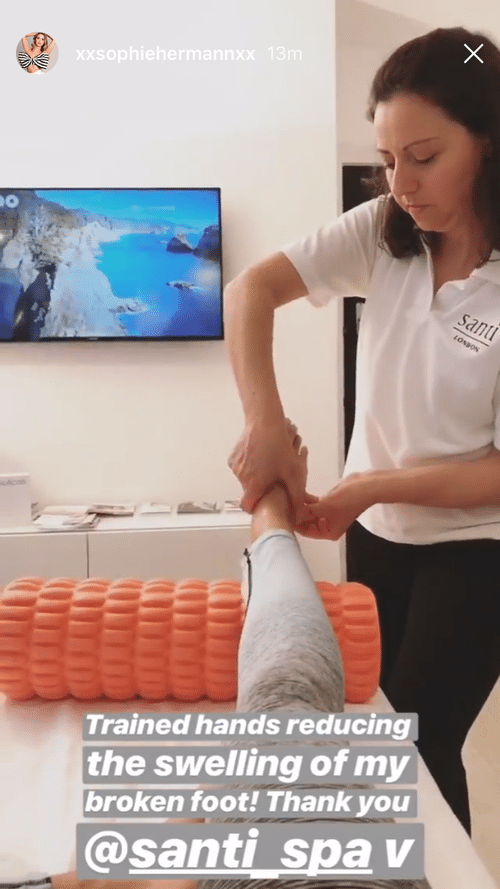
Maria combines specialist respiratory physiotherapy with musculoskeletal rehabilitation. Her sessions focus on practical breathing strategies, airway clearance, pacing, movement and confidence in managing symptoms outside the clinic.
Where appropriate, respiratory physiotherapy complements your existing medical care rather than replacing it, and we can coordinate with your GP, respiratory consultant or wider clinical team.
| Main issue | Best starting point | Why |
|---|---|---|
| Breathlessness, mucus retention, recurrent chest infections or breathing-pattern problems | Respiratory physiotherapy | Specialist breathing, airway-clearance and respiratory rehabilitation. |
| Pain, weakness or movement restriction without a respiratory problem | General physiotherapy | Musculoskeletal assessment and progressive rehabilitation. |
| General muscular tightness or recovery | Sports Massage | Soft-tissue recovery where there is no respiratory or injury pathway. |
| Sudden, severe or rapidly worsening respiratory symptoms | Urgent medical review | Routine physiotherapy is not appropriate for potentially acute illness. |
Respiratory physiotherapy is for stable respiratory problems. It is not an emergency service.
No. You can self-refer. If further investigation or medical review is needed, we will guide you.
Yes. Your plan may include breathing technique, airway-clearance frequency, device guidance, pacing and flare-up rules.
Some clients need only one to three appointments to learn and refine a technique. More complex or long-term conditions may benefit from periodic review or a rehabilitation programme.
It may help where breathlessness, retained secretions or deconditioning persist after the acute infection has resolved. Ongoing fever or acute deterioration requires medical review first.
Physiotherapy does not reverse lung scarring, but breathing strategies, pacing and exercise rehabilitation may help maintain function and manage breathlessness alongside specialist medical care.
We can support practical inhaler, spacer, nebuliser and airway-device routines within the scope of physiotherapy. Medication changes remain the responsibility of your prescriber.
No. Physiotherapy does not cure chronic respiratory disease. It can help with symptom management, airway clearance, activity tolerance and self-management alongside medical care.
Bring a list of medications, relevant respiratory letters or test results if available, and any inhalers, spacers, PEP/OPEP devices or nebuliser equipment you currently use.
Explore Santi’s wider musculoskeletal and rehabilitation services.
Explore physiotherapy →An established Santi article on how physiotherapy may support common injuries.
Read the article →For muscular recovery and tightness where respiratory treatment is not required.
Explore Sports Massage →Not sure which appointment is appropriate? Tell us about your symptoms and we’ll guide you.
Contact us →Start with a private 60-minute appointment. We’ll assess your breathing, symptoms and activity, practise relevant techniques and give you a practical plan to use at home.